
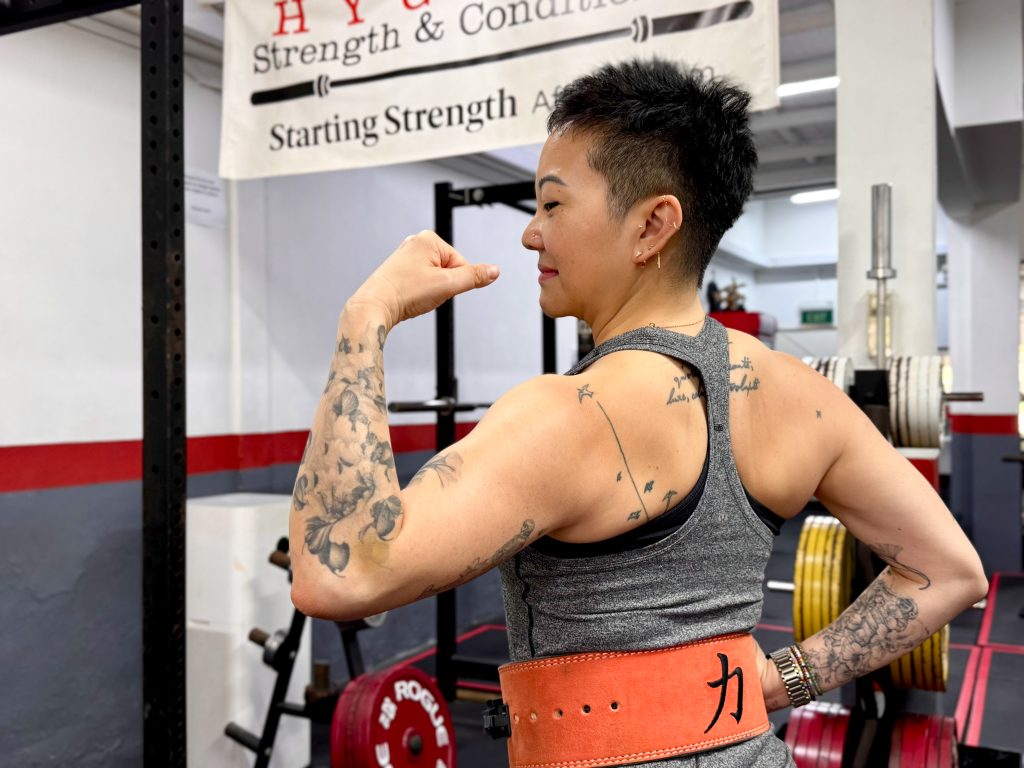
Expectations of the Modern Woman
Being a woman is a tremendous role, burdened with relentless societal expectations. From adolescence, girls are told to be intelligent, agreeable, nurturing, ambitious yet demure. We are expected to excel in our careers, nurture families, maintain friendships, care for ageing parents, and somehow look effortless while doing it all.
A modern woman can be high-aspiring, career-driven, family-oriented, and successful in everything she touches — but heaven forbid she chooses to give up one of those roles.
“Damned if I do, damned if I don’t”, right?
It’s not enough that she manages these traits effortlessly — she needs to look elegantly thin while doing so, which happens to be held up as the standard silhouette for beauty in a woman.
Unrealistic Beauty Standards & Resurgent Size-Culture
For decades, the media and society at large have long defined the parameters of a “desirable” woman according to constantly shifting trends. Whether it’s cool to be thin or trendy to be voluptuous, you’re allowed to embody all of that — as long as the dress size stays small. Girls are conditioned to pursue an ideal physical image that maximises perceived value: alluring when thin, sexy when curvy — but never too much, for men might not marry. Maintain a bony décolletage, flat stomach with abs, sharp hip bones, slender arms, all while miraculously preserving hourglass curves.
I’ll never forget a line famously said by supermodel Kate Moss said that many of my school friends would repeat: “Nothing tastes good as skinny feels”. I thought it was just a trendy line that would stay in the 2000s, along with the heroin-chic silhouette that she so proudly flaunted, but apparently it’s currently gaining traction again, especially on Tiktok.
Such a dangerous and toxic ideal proved to be devastatingly effective at shaping an entire generation of young girls who develop body image and self-worth issues while chasing unattainable standards. What’s more disappointing is that this ideal is experiencing a resurgence: to poison yet another generation of younger girls.
Thankfully, there have been many pivotal moments in my life which allowed me some enlightenment into what makes a woman truly valuable beyond the physical, away from the standards that continue to diminish feminine worth.
Strength in a Professional Kitchen: My First Exposure to Its Importance
Among all my cheffing roles, the job at the bakery was the most physically demanding. Every shift involved some form of hauling trays of dense dough or slinging slabs of sheeted pastry across the kitchen. It was not work for the physically fragile. Whenever the monthly flour delivery arrived, we carried 25–30kg sacks of freshly milled flour into storage, because the company was too cheap to hire movers. Twenty-five kilos may not sound like much, but repeated trips of carrying what feels like a heavy dead animal in the middle of a 9 hour shift? That can get tiring very quickly.
The bakery team was male-dominated, but there were a few female powerhouses I admired. The coolest one was Mika, a senior baker from Japan, who happens to be the smallest person on the team. Petite in stature, she moved the same slabs of raw dough across the shaping tables as if they were weightless. She would clean the walk-in freezer alone, shifting 70 to 100 industrial trays stacked with heavy frozen dough by herself in the cold room. Not only was she capable of it alone, she did it faster than most bakers on the team. I never saw her break a sweat.
“I gym and do yoga so I can work more,” she told me her secret behind her efficient workflow.
She chose to get stronger to make her work easier. Even if her motivation was not for personal health, it was the first time I understood strength as a valuable attribute that allowed a woman to continue excelling in her career.
That was likely my first exposure to strength as a supplement for a better quality of life — not a masculine trait reserved for muscle bros lifting crazy weights in the gym. In retrospect, it is a shame that this awareness only came to me at 25 years old. Why wasn’t I told earlier in my youth that being strong could also help me excel in other areas of my life, just like Mika did? Had I been so terribly shaped by the beauty standards of magazines and media adverts, that I subconsciously rejected attributes that deviate me from being the idolised “thin and pretty”?
All Women Need Strength, Especially After 40s
As I grew older, I noticed a pattern. Many women exercised just enough to maintain the lithe physique they had worked hard to achieve. Low-impact, low-resistance activities felt “safe.” Yoga, Pilates, cardio. Not much weight, maybe some machines. There is a shared fear of becoming bulky, putting on weight, and looking less feminine.
Here’s a reality check for you: you can’t keep dieting to stay small and exercising minimally while your biological decline flows down the river of time.
After age 30, women lose approximately 3–8% of muscle mass per decade without resistance training. After age 40, bone density declines by about 1% per year. During menopause, due to decreasing estrogen levels, bone loss accelerates to 3–5% per year. After 60, both muscle and bone loss accelerate even further.
Women are susceptible to sarcopenia and osteoporosis earlier and faster than men. Menopause kicks in, estrogen levels drop, and the slippery slide of age-related decline leads us slowly into the embrace of mortality. There are indeed medications that can help manage these conditions, but nothing beats strength training as the most efficient, non-pharmacological intervention to preserve muscle, maintain bone density, and protect quality of life.
When you gradually lift heavier over time — progressively increasing the weight on the barbell — the net effect of gaining strength and building muscle is multi-pronged.
Increasing bone density: Exposes your bones to gradually increasing axial loading, signalling them to grow stronger and denser.
Metabolic regulation: Muscle improves insulin sensitivity, increases resting metabolic rate and energy expenditure, and helps regulate hormones that support muscle growth and repair.
Because of this one process – getting stronger – you gain a multitude of benefits: improved metabolic health, reduced (and even reversed) osteoporosis, lower risk of chronic disease, reduced menopausal symptoms and protection against decline associated with all-cause mortality. You’ve likely heard of pills, injections, and treatments that target one or two of these issues. I’m sure you won’t want to be a slave to a laundry list of medications just to keep it all under control! A much better use of your time is committing to a singular “medical treatment” — like strength training.
Sorry to disappoint some of you, but, mat exercises and long distance cardio won’t ever be enough to build muscle. You’ll need to load heavy, progressively increasing the load over time, to increase muscle mass and bone density. That could mean a kilo every session on your squat, to half a kilo every other month on the bench press. Training with barbell movements is perfect for that: you start with weights that meet you where your starting strength levels are, and add small increments over time – just like medication, but for your muscles.
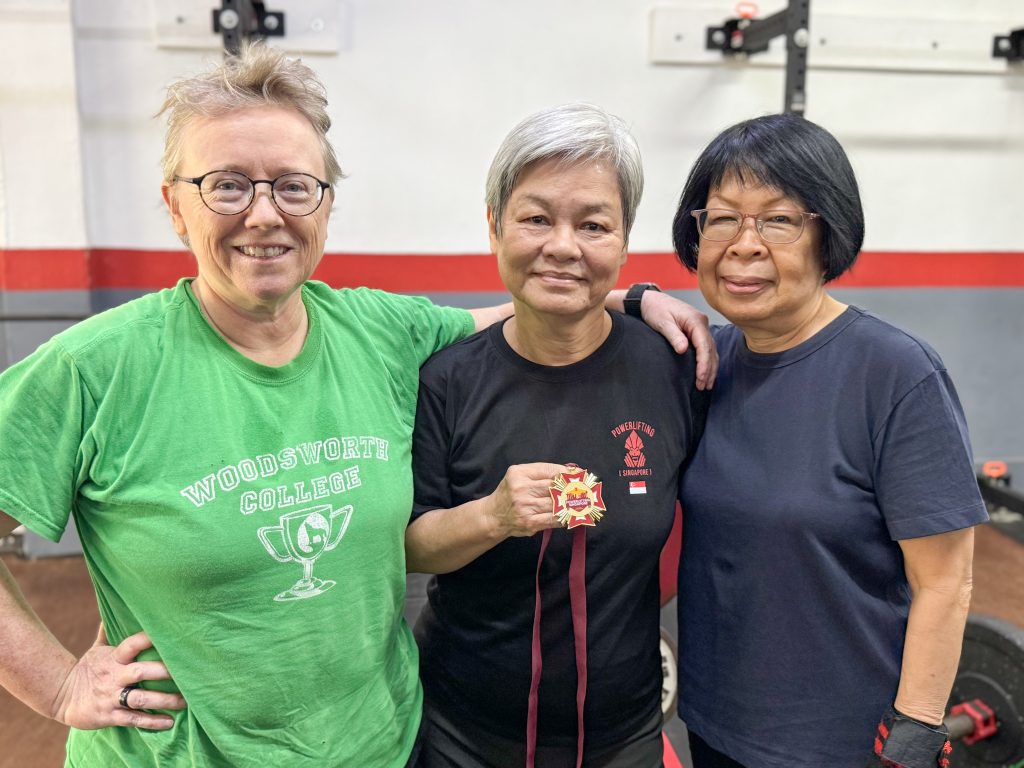
Also, lifting heavy won’t suddenly transform you into a muscly, jacked-up bodybuilder – not many people ever get to reach that level of appearance without an unhealthy obsession and steroids. It’s really tough to get there. These ladies are great examples of lifters who have gotten much stronger than they were on day-one at the gym, still getting stronger every day, and still not looking like a female Arnold Schwarzenegger.
Redefining Strength as an Essential to A Woman’s Worth
Fortunately, in recent years, it has never been easier to search for discussions and articles about women’s health that would eventually lead you to a similar conclusion: that strength training is inextricable to improving women’s quality of life. With the advent of social media platforms and exposure to passionate professionals advocating the importance of such topics, I feel lucky to be able to witness such a shift.
Here are two great examples:
Dr Jaime Seeman — Why Women Need To Get Serious About Strength
Dr Laurena Law — Muscle Your Way Through Midlife, Menopause and Beyond
Both speakers gave TED talks about the importance of strength to women’s health, visibly flaunting muscles while looking evidently feminine.
Wouldn’t it have been nice if women could unite to encourage each other to be stronger? What if we reshaped strength as a cultural cornerstone of a woman’s value?
What if we could collectively ignore the stronghold that mainstream media has on our physiques, and celebrate each other on our endeavours to breaking limits in the gym?
What if the next generation of girls entering adolescence could be armed with the knowledge that physical strength could give them the power of independence, strengthen their sense of self worth, increase their confidence against the world, and even perhaps save them from unwanted attention?
What if we could convince some silver-haired ladies that strength can allow them more time to enjoy more holiday trips, instead of trips to medical facilities?
For the younger girls, start carving your future with strength in mind. Your older self will thank you.
My peers at 30s to 40s, it’s time to take action. Your physical health is literally in your hands.
Ladies in your golden years: it’s not too late. It’s never too late. Bone and muscle mass loss is reversible, act now!
In honour of International Women’s Day, let’s stop shrinking into smaller shoes that weren’t meant for us, and start acknowledging our true worth by how strong we can get!